Assess
We look at health, nutrition, daily living, medication needs and the support already available within the home.
Empowering Rakai's elderly and people with disabilities. Lusi Namatovu Foundation provides essential care and support with compassion.
Call for Support:
+256 705 864322
+256 758 055500
Our Location: Rakai District, Uganda
P.O. Box
185 Kyotera
Delivering Compassionate Care, Safe Shelter, and Lasting Dignity
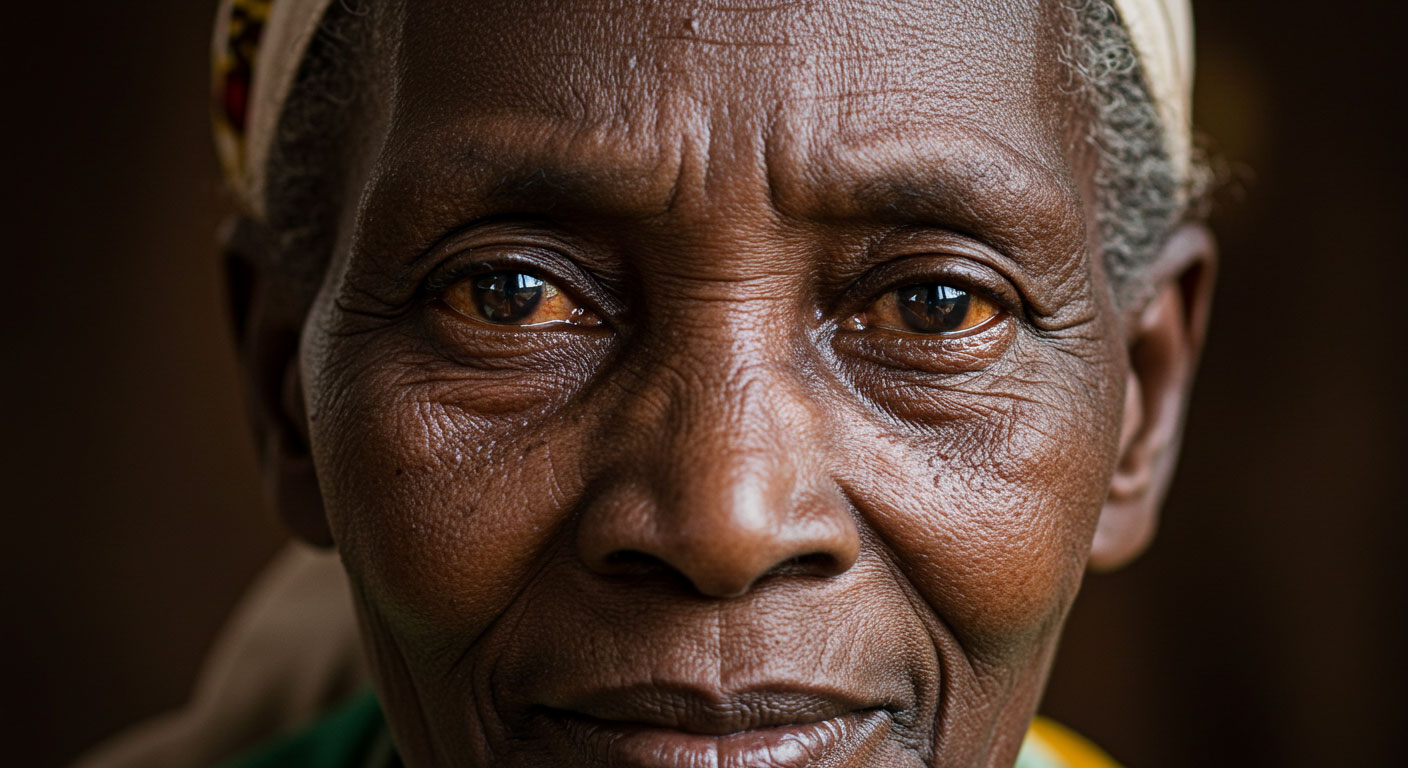
Growing old in Rakai District often brings unique and significant hardships. Unlike in many other countries, formal pensions are rare for those outside government work, leaving many elders without a crucial safety net. Compounding this, changing family dynamics and migration sometimes mean seniors lack the close family support they once relied upon, leading to deep social isolation and loneliness, chipping away at their sense of belonging.
Our February 2026 field assessment in Kifamba, Rakai District confirmed these realities firsthand. Our team found that while many elderly individuals have basic shelter, most lack beds and mattresses, some who are sick and on daily medication are still sleeping on cold floors. Diet is a critical concern: elders rely almost entirely on matooke, maize, cassava, and potatoes, with little access to eggs, milk, or protein-rich foods their aging bodies require. Additionally, many have idle land that could grow food, but their children have migrated to towns, leaving them with no one to farm it.
The assessment also highlighted the need for more consistent medical follow-up for older beneficiaries, particularly those managing illness or taking daily medication without reliable family caregivers. This need has strengthened the Foundation's commitment to coordinated community-based medical support, with Dr. Ssebuufu Francis serving as the Foundation Doctor and helping address the physical, mental, and social health needs of vulnerable older people.
These combined factors – financial insecurity, profound loneliness, declining health, and difficulty with daily life – can create a cycle of neglect that severely impacts the overall well-being and fundamental dignity of our community's respected elders. Recognizing and addressing these urgent, interconnected needs is the cornerstone of our dedicated Elderly Care & Support program.
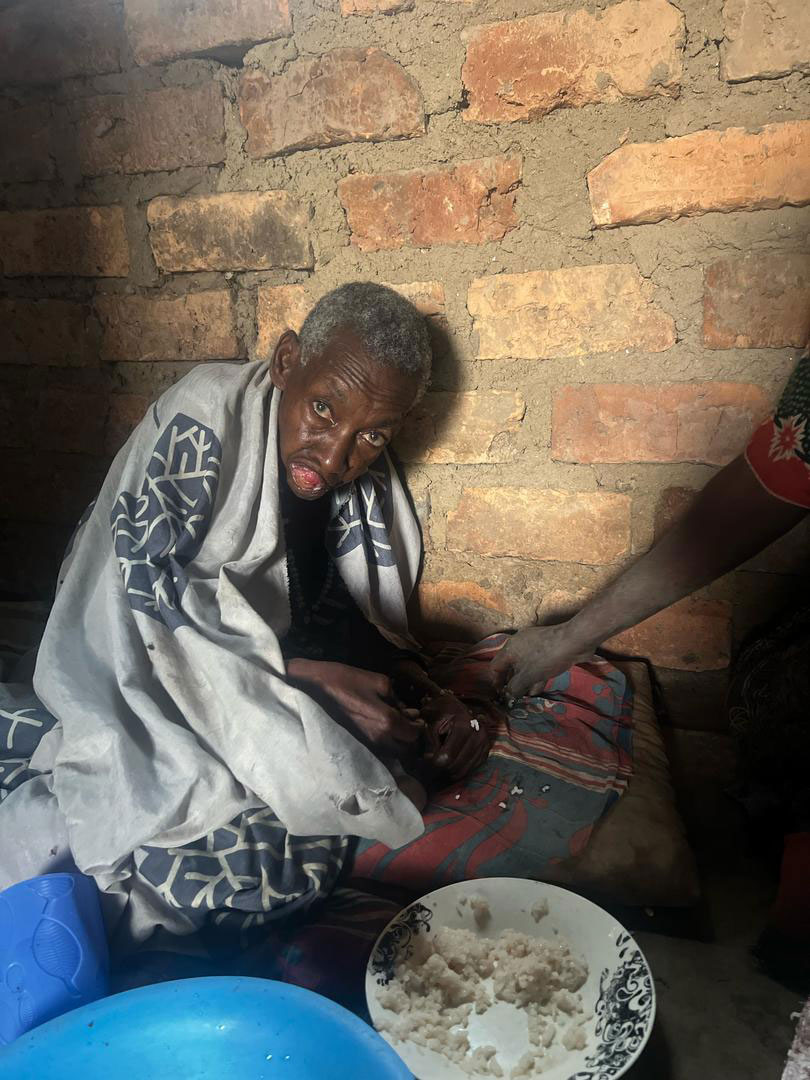
Some older people cannot easily travel to a clinic or manage every aspect of daily life without support. Our team therefore visits vulnerable elders in their homes to understand both their health and living circumstances.
During these visits, we may assess everyday functioning, medication use, nutrition, hygiene and the availability of family or caregiver support. The findings help us identify practical assistance, provide health education, make appropriate referrals and plan follow-up care around each person's individual needs.
We look at health, nutrition, daily living, medication needs and the support already available within the home.
We provide practical health education and help families or caregivers understand where continued assistance may be needed.
Where additional care is needed, we help connect beneficiaries with appropriate health or community services and continue to follow their progress.
We've developed targeted initiatives that address the specific challenges facing Rakai's elderly population, providing both immediate relief and long-term support.
We repair and improve homes for vulnerable elders, ensuring safe, dignified living conditions that protect from harsh weather and enhance security. Improvements include roofing, ventilation, and accessibility.
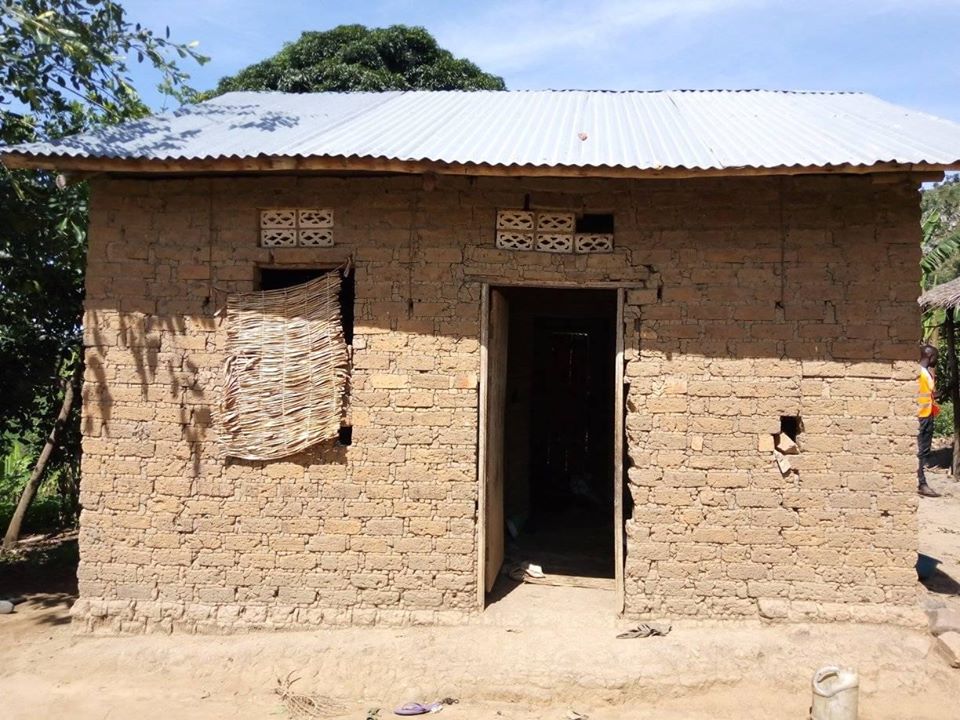
Our team conducts home visits to understand the health and daily support needs of vulnerable elders. We provide practical health education, involve caregivers where appropriate, connect beneficiaries with health and social services, and follow up to monitor progress.
We ensure regular, nutritious meals through food deliveries, community gardens, and cooking support, addressing malnutrition and promoting sustainable food solutions for elders.
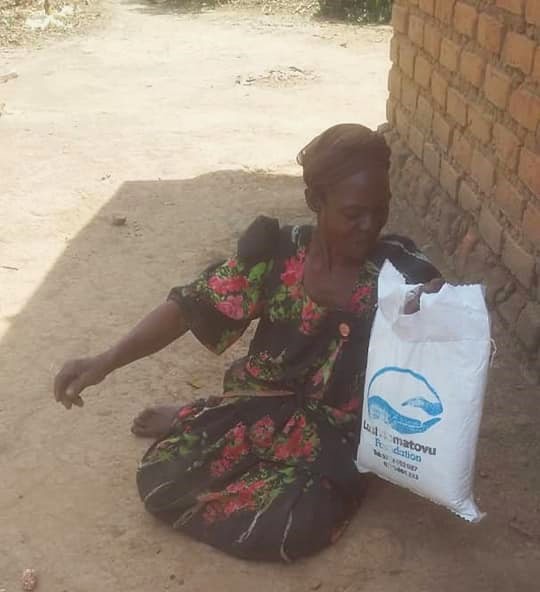
We provide essential clothing, footwear, bedding, and hygiene supplies to ensure personal comfort, warmth, and the preservation of dignity for elders.
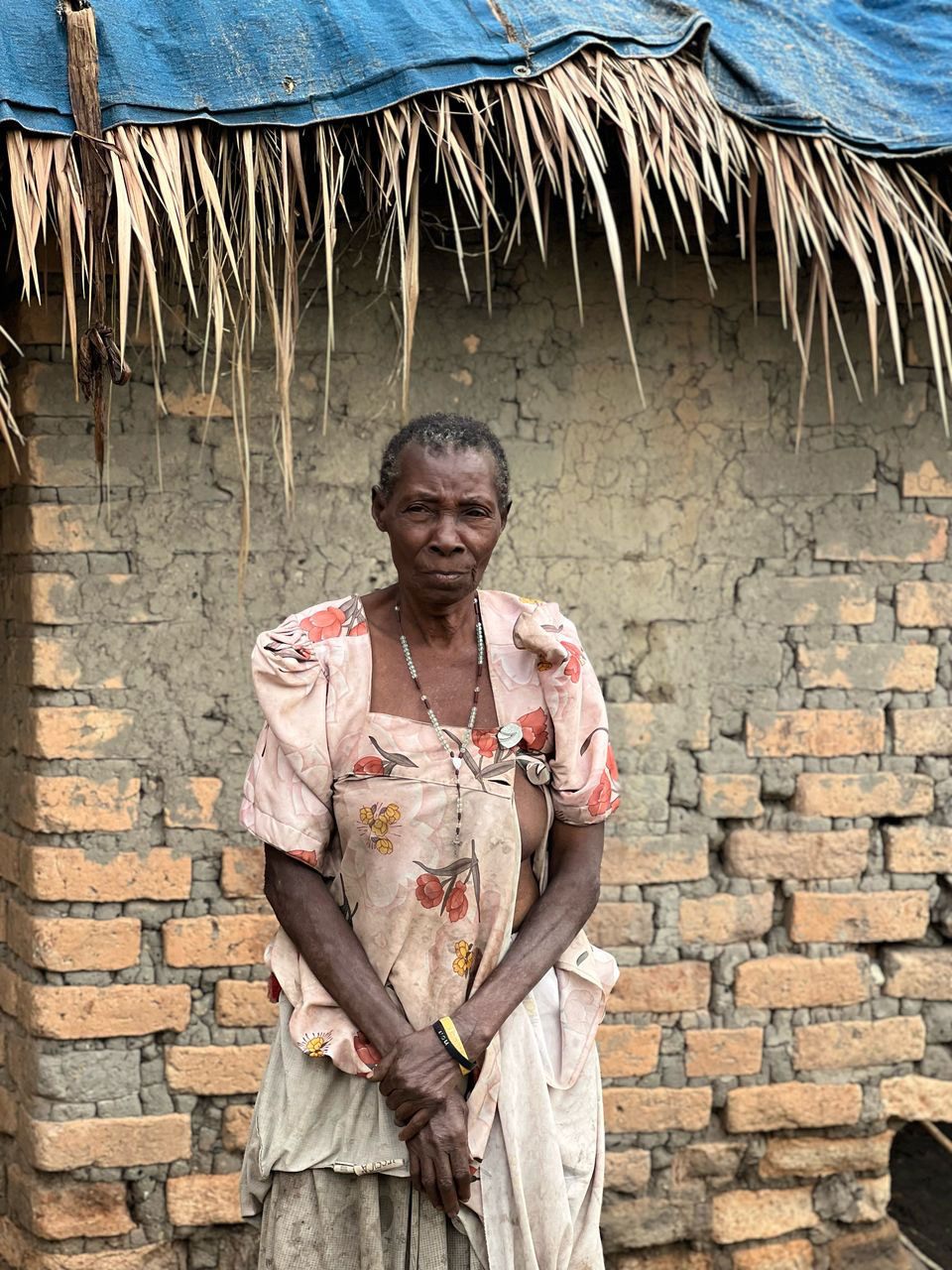
We combat loneliness through regular visits, community gatherings, and intergenerational programs. Volunteers provide vital companionship, celebrating elders' wisdom and fostering belonging.
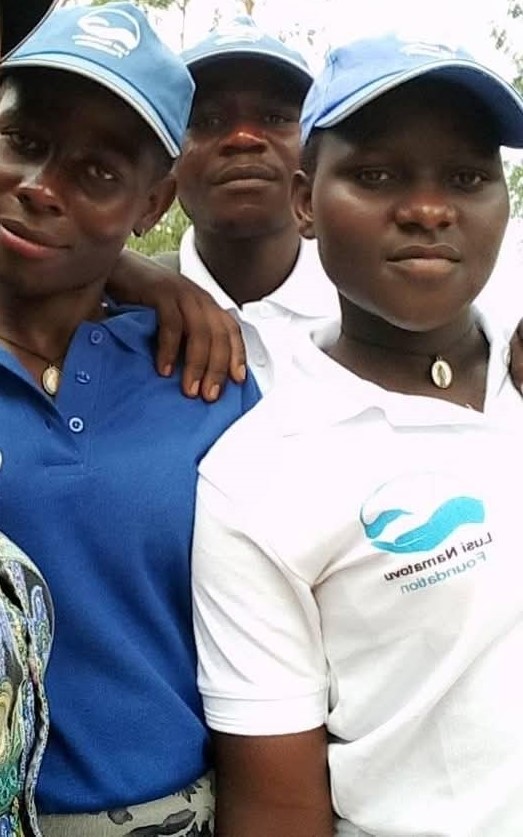
We advocate for elder rights, protect against exploitation, and raise community awareness, working with local leaders to integrate elder needs into community planning.
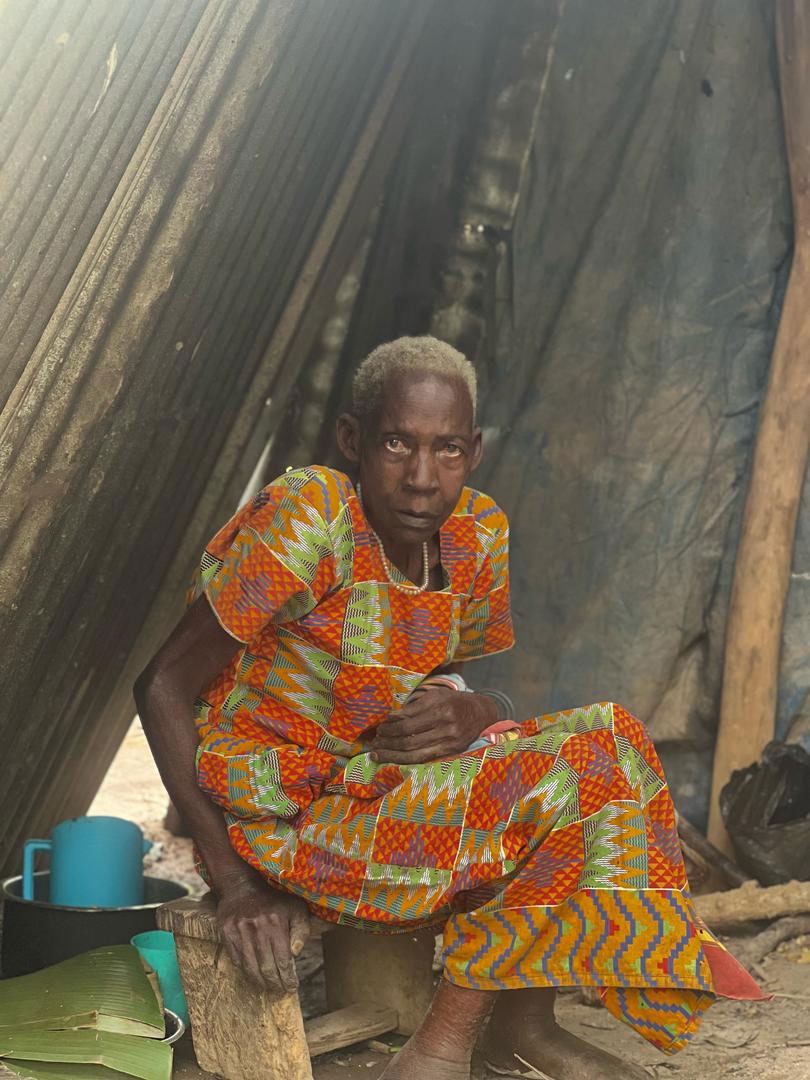
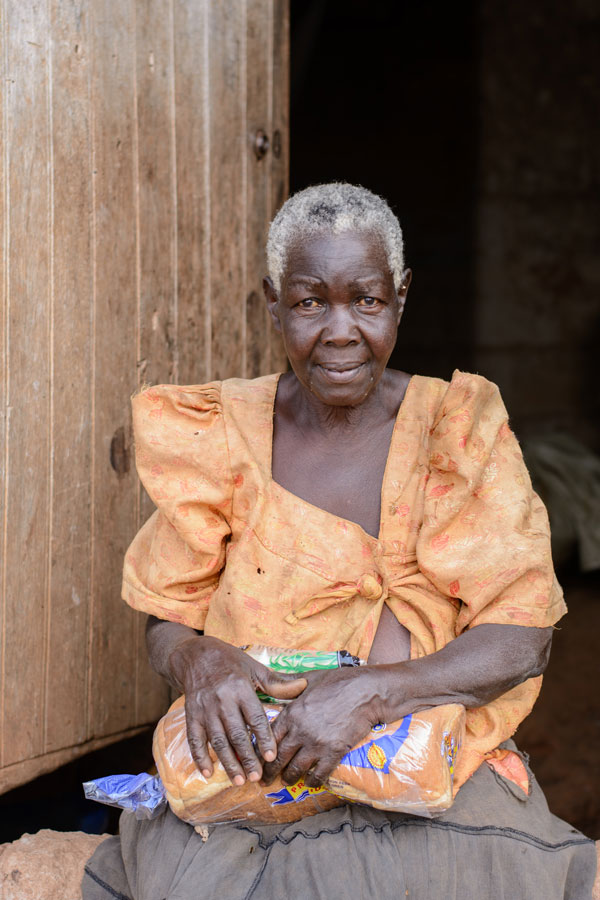
"I used to worry about my leaking roof during every rainstorm. The Lusi Namatovu Foundation not only fixed my home but brings me food regularly and their weekly visits give me something to look forward to. I no longer feel forgotten by my community."
Your generous donation empowers us to build safe homes, provide vital wheelchairs, and deliver compassionate care to Rakai's elderly and disabled, transforming lives where it's needed most.